
A lot of people try to value THORChain by looking at it in isolation. I think that is the wrong starting point. THORChain only really makes sense if you first understand why crypto matters, why Bitcoin continues to matter, and why native, permissionless access to Bitcoin will become more important over time.
In other words, THORChain is not just a bet on one protocol. It is a bet on the long-term importance of Bitcoin inside the crypto ecosystem and a way to bet on the fact that crypto should be able to move permissionlessly between chains.
Let me explain why.
The Bitcoin thesis comes first
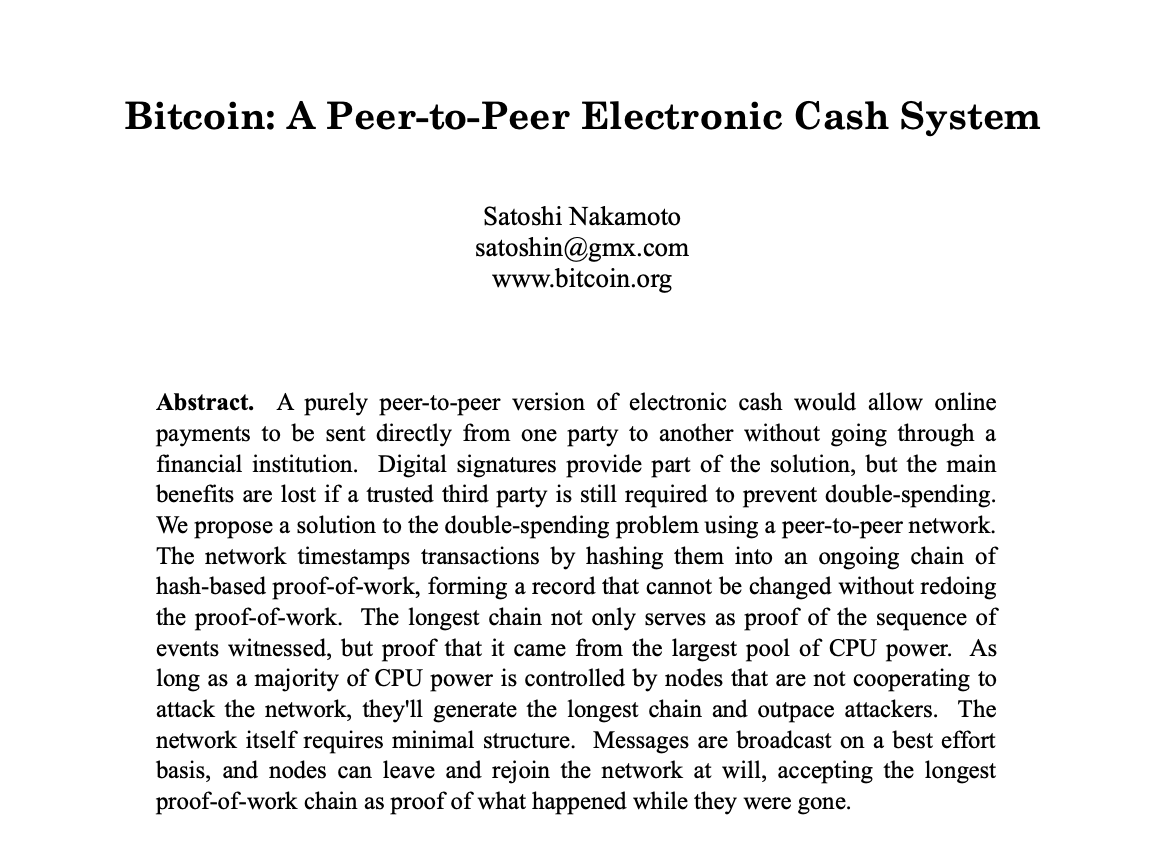
Bitcoin’s original purpose was simple but powerful: create a peer-to-peer electronic cash system that allows value to move directly between parties without requiring a financial institution in the middle.
That was the foundational idea in the whitepaper, and it still matters today, and this idea is now valued at more than $1.5 trillion.
I don’t want to go too deep into all of the ideology of Bitcoin here, because one of the main reasons it exists is not because everyone agrees on the same ideology. It continues to exist because it solves real problems.
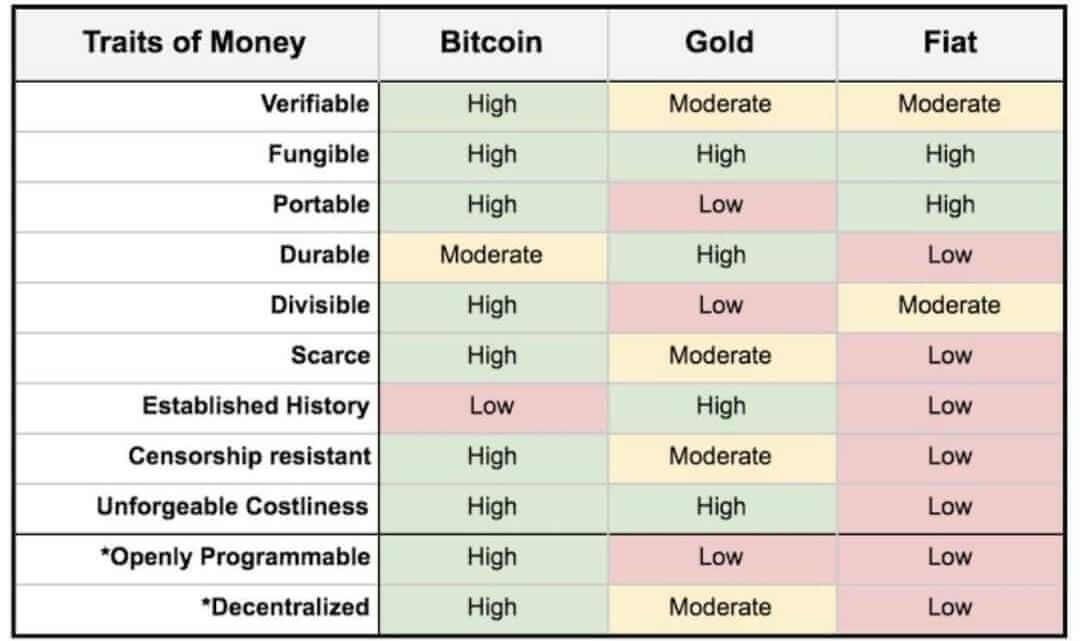
It gives people access to a form of money that is open, transparent, neutral, and outside the direct control of any state or institution. To me, that is not some small innovation. That is one of the most important ideas in crypto. We already went through one huge civilizational shift with the separation of church and state. I think the separation of money and state is just as important over the long run, and if you believe that this idea is important, it makes sense to support and believe in Bitcoin.
Why Bitcoin is not a Ponzi scheme
One thing you quickly notice when you start speaking openly about Bitcoin on less crypto-native platforms like LinkedIn, or even just in person, is how often people reduce it to one line: Bitcoin is nothing more than a Ponzi scheme. I have experienced that myself more times than I can count.
My defence against that is simple. Calling Bitcoin a Ponzi scheme usually confuses price appreciation with fraud.
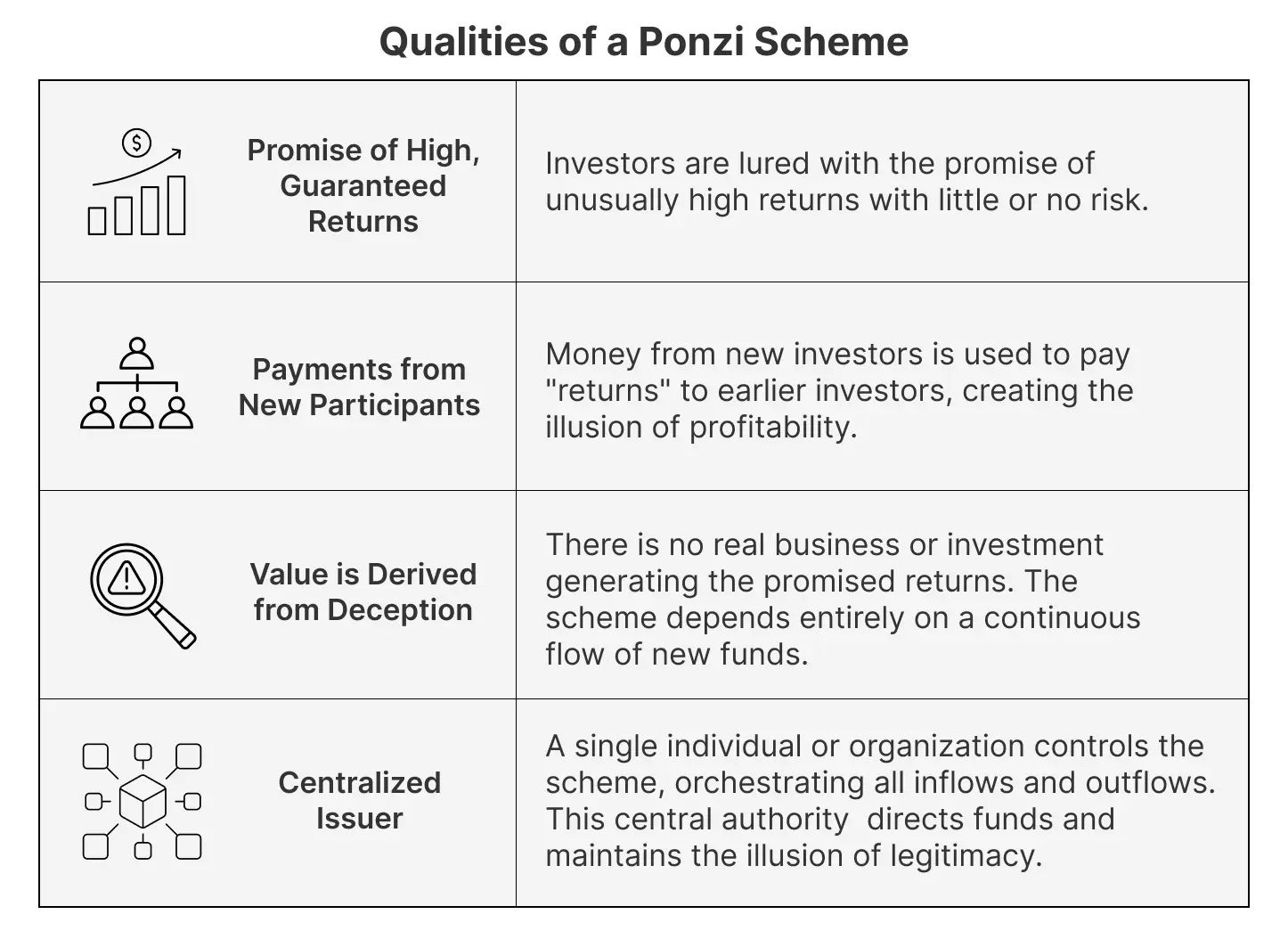
A real Ponzi scheme has a central operator. It promises or implies returns. It uses money from new participants to pay earlier participants. And eventually it collapses when inflows slow down.
Bitcoin does not work like that. No operator is distributing guaranteed yield, no manager is secretly reallocating incoming capital, and no contractual promise that new buyers will fund old buyers. Bitcoin is an open network and a freely traded asset. Its price can rise or fall, but that is not the same thing as a Ponzi structure.
I think people also use the term too loosely because they want a shortcut. If something goes up in price and depends on broader adoption, they want to label it a scam. But that ignores the real distinction.
A Ponzi is built on deception and artificial payouts. Bitcoin is built on open rules, transparent issuance, and voluntary participation. You are not being promised anything. You are choosing to hold an asset that the market assigns value to.
Why THORChain Matters for Bitcoin
Now that you understand the value of Bitcoin and why it is a real asset rather than a Ponzi scheme, it becomes easier to see where THORChain fits in.
Bitcoin is the most important asset in crypto, but on its own it is relatively isolated. If you want to move from Bitcoin into other assets today, you usually go through a centralized exchange or end up holding wrapped assets that also require a custodian instead of real native BTC. That works, but it brings back the exact dependency on intermediaries that crypto was meant to remove.
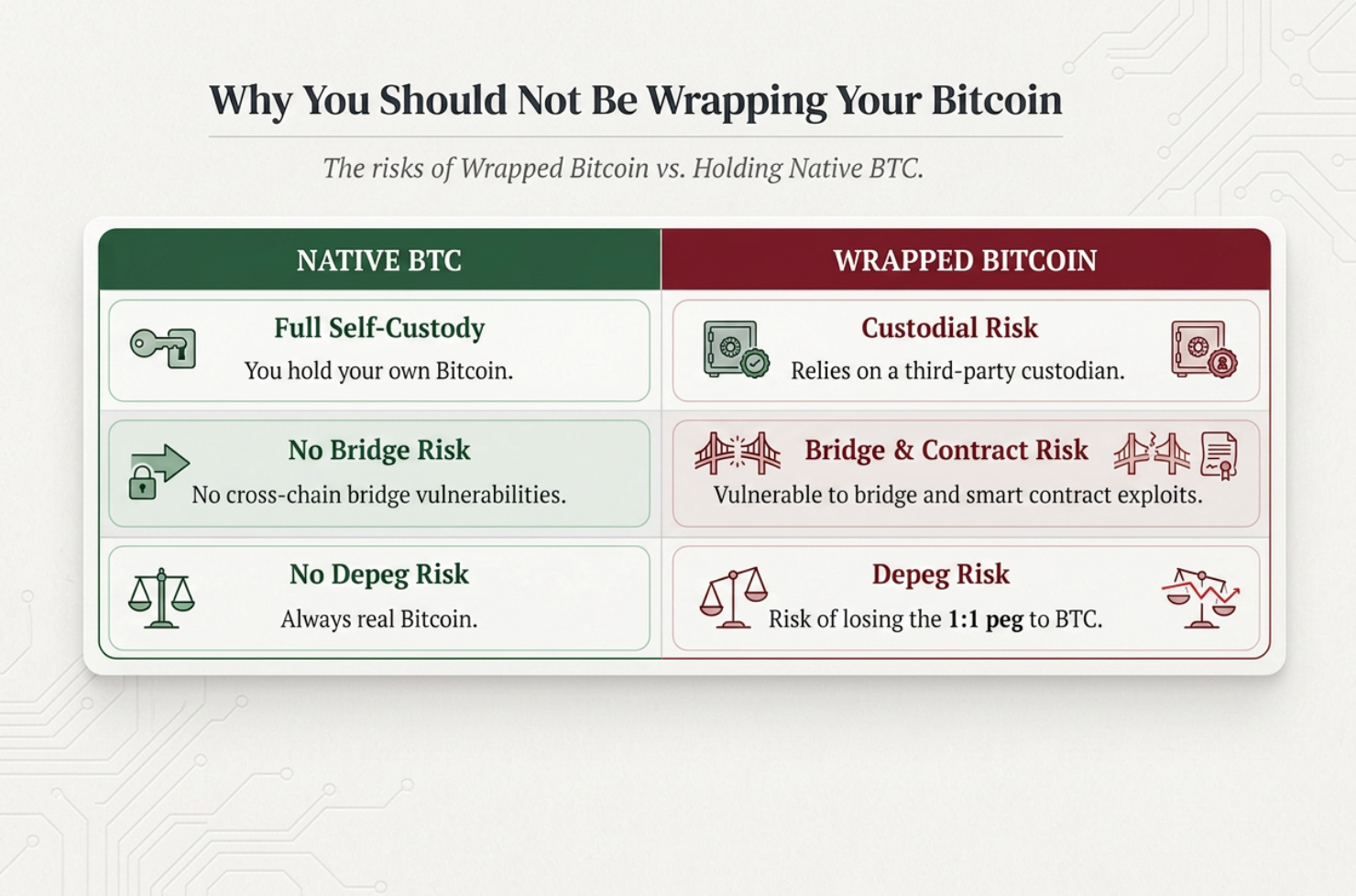
If Bitcoin is going to remain important, it cannot just be something people hold. It needs to be usable across the crypto ecosystem in a way that stays aligned with its core properties.
This is where THORChain comes in. It allows native Bitcoin to be swapped directly for other assets across chains, without relying on custodians or wrapped versions. The key point is that the BTC remains native throughout the process, and for example, it can easily be swapped to ETH.
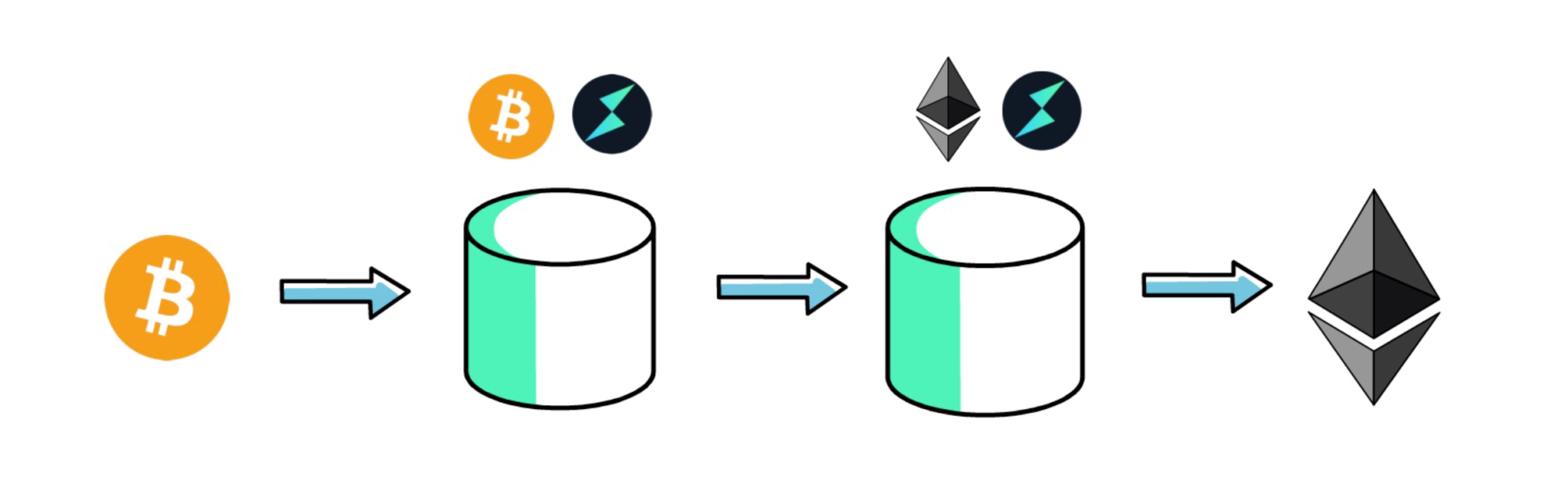
THORChain is not trying to compete with Bitcoin. It is building around it. Bitcoin was never designed to do everything itself, so infrastructure like this is needed if it is going to stay central to crypto over time.
If more value continues to accumulate in Bitcoin, then demand will naturally grow for ways to use it without giving up self-custody. That is the bet THORChain is making, and THORChain will continue to grow alongside Bitcoin as the utility of both increases, while also integrating and supporting more cryptocurrencies and connecting them.

Related articles
![]()
Jul. 1, 2025
Op-Ed: The Case for Repurposing THORChain’s Burn
- Editorial
![]()
Apr. 23, 2025
Op-Ed: THORChain’s Security Design Probably Needs to Change
- Editorial
![]()
Feb. 24, 2025
Op-Ed: The Bull Case for THORChain, $RUNE, and $TCY
- Editorial
![]()
Jan. 28, 2025
Op-Ed: The Case for THORChain Suspending Block Rewards
- Editorial
![]()
Dec. 18, 2024
Op-Ed: An Independent Analysis of THORChain Tokenomics
- Editorial
![]()
Nov. 7, 2024
Op-Ed: The Case for Savers to be Sunset
- Editorial