
The Casino Problem: When Crypto Forgets What It Was Built For

When I look at the current state of the crypto industry, one thing becomes hard to ignore.
A large portion of the conversation is no longer about what these systems enable. It is about price, momentum, and short-term gains.
Every cycle, the same patterns repeat. New tokens appear, narratives form quickly, and attention concentrates around whatever is moving the fastest. Social media amplifies this dynamic, and over time, it creates the impression that crypto is primarily a space for speculation.
That surface layer is not entirely new. Financial markets have always attracted speculative behaviour (The dot com bubble and every other bubble we have seen in financial markets, because of tech innovation, were driven by speculation). The difference is that in crypto, this layer has become dominant to the point where it often overshadows the underlying purpose of the technology.
What Crypto Was Actually Designed For
To understand why this matters, it helps to go back to the original value proposition of crypto.
At its core, crypto is not about price appreciation. It is about creating systems that remove the need for trusted intermediaries in the storage and movement of value.
Bitcoin introduced something fundamentally new. It allowed individuals to hold an asset that could not be frozen, seized, or altered by any centralised authority. This was not achieved through regulation or policy, but through cryptography and decentralised consensus.
That distinction is critical.
Traditional financial systems operate on permission. Access is granted and can be revoked. Crypto, at least in its pure form, operates on rules that are transparent and enforced mechanically. Anyone can participate, and no single party can unilaterally exclude others.
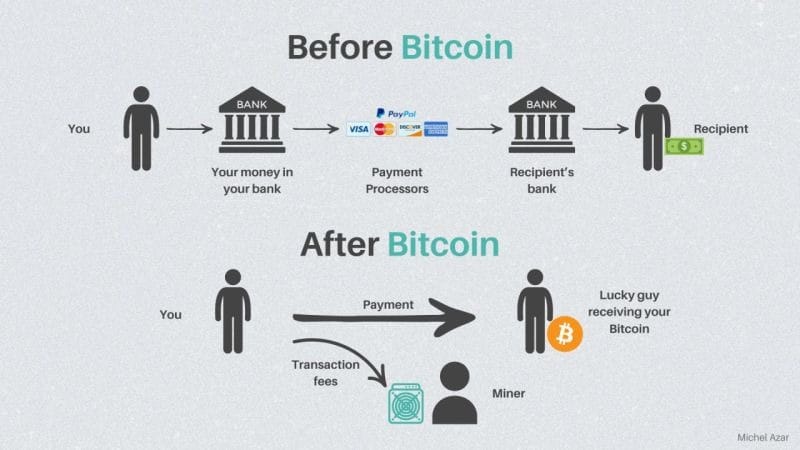
This is what made the technology meaningful. It created an alternative to systems where control is concentrated and where access can be restricted.
How the Industry Drifted
As the space grew, new use cases emerged. More blockchains were launched, new tokens were created, and the number of participants increased rapidly.
With that growth came a shift in behaviour.
Instead of focusing primarily on building systems that expand financial access or reduce reliance on intermediaries, a large portion of activity began to centre around trading and speculation. Tokens became instruments for short-term gain rather than representations of long-term utility.
This shift is visible in a few key ways.
First, the majority of attention is directed toward price movements rather than functionality. Projects are often evaluated based on market performance instead of the value they provide.

Second, many participants enter the space with the expectation of rapid wealth generation. The goal is not to use the technology, but to benefit from its volatility.
Third, a significant amount of capital flows into assets that do not provide meaningful utility. In some cases, the only value proposition is the expectation that someone else will be willing to buy at a higher price later.
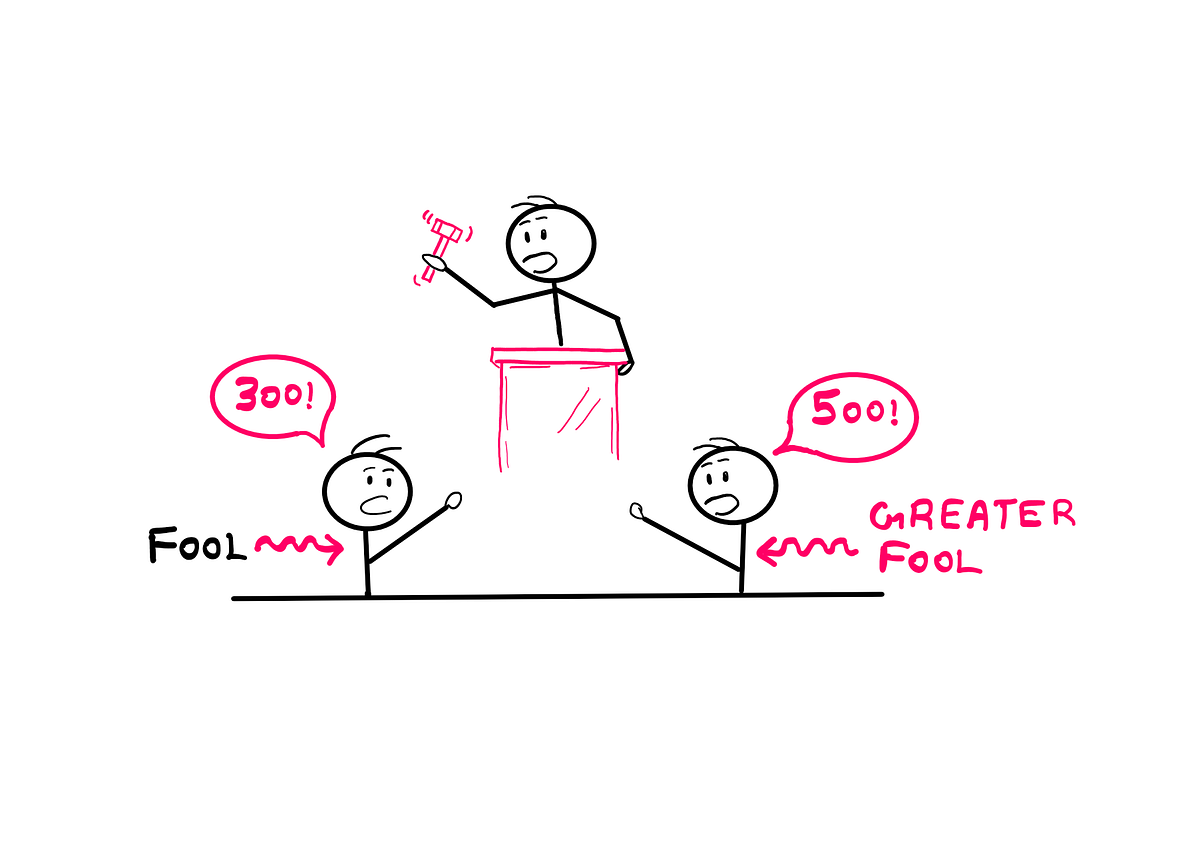
Individually, none of these behaviors are new or unique to crypto. Collectively, they reshape the perception of the entire industry.
Instead of being seen as infrastructure for a more open financial system, crypto begins to resemble a high-risk, high-reward marketplace driven by speculation, and that has made me feel quite disappointed in the progress that we have made.
The Problem With a Casino-Driven Narrative
It is important to be clear here. Speculation itself is not inherently bad. It plays a role in price discovery and liquidity formation.
The issue is what happens when speculation becomes the primary lens through which the entire space is viewed.
When that happens, two things follow.
First, the underlying value proposition becomes harder to see. If the dominant narrative is about short-term gains, then the long-term implications of censorship resistance, self-custody, and permissionless access receive less attention.

Second, it attracts behaviour that reinforces the cycle. More participants enter with speculative intent, which increases volatility and further amplifies the focus on price. Over time, this creates a feedback loop where utility becomes secondary.
This is how an industry that was originally built around reducing dependence on centralised systems can start to replicate some of the same dynamics it was trying to move away from.
The Difference Between Real Value and Extractive Activity
One way to better understand this distinction is to look at how value is created.
In any system, value ultimately comes from providing something that others are willing to pay for. This could be a service, infrastructure, or access to functionality that does not exist elsewhere.
In crypto, examples of this include:
- Secure, self-custodied storage of value
- Permissionless transactions across borders
- Decentralised exchange of assets without intermediaries
These are services that solve real problems, particularly in environments where traditional systems are unreliable or restrictive.
In contrast, purely speculative activity does not create new value in the same way. It redistributes existing capital based on timing and market behaviour. While this can be profitable for some participants, it does not expand what the system is capable of.
The distinction is not always obvious in the short term, but it becomes clearer over longer time horizons. Systems that provide real utility tend to persist. Those that rely primarily on speculative interest tend to fade once attention moves elsewhere.
Bringing the Focus Back
If the conversation is going to evolve, it needs to shift toward what these systems actually enable.
That includes asking different questions.
Instead of focusing primarily on price, it is worth looking at:
- What problem does this system solve?
- Does it reduce reliance on trusted intermediaries?
- Is the system transparent and verifiable?
- Can it operate without centralised control?
These are more difficult questions, and they are less immediately engaging than price charts or short-term gains. But they are the ones that determine whether a system has lasting value, and these are the questions that we have kept in mind when designing THORChain.
Speculation will always be part of the space. It is not something that can or should be removed entirely.
The goal is not to eliminate it, but to prevent it from defining the entire industry.
Because if crypto is reduced to a casino, then it becomes interchangeable with any other speculative market, and that is not the direction that I want this industry to go in. I want it to thrive.